
- Clothes
- Bags
- Accessories
-
Inspiration
- Shoes


Intersectionality in Fashion: ‘Eco-Friendly’ Is NOT Enough

Intersectionality in fashion sounds like a complicated term. So, let me start with a clear and simple image:
picture an an eco-friendly, organic cotton t-shirt (“Uuuh, sounds sustainable!”) with a feminist or anti-racist slogan (“Empowering!”)… made by exploited people of colour.
If you can see the “irony” in that, I bet you can already tell why we need intersectionality in fashion, instead of treating ‘eco-friendly’ and ‘ethical’ as separate aspects.
But let’s go more in-depth.
What is intersectionality in fashion?
Traditionally, intersectionality is about recognising that categories like race, class, and gender are interconnected when it comes to systems of discrimination and disadvantage, not separate issues.
With intersectionality in fashion, however, the main focus is on:
- Considering workers and the ethical and human side of things when talking about sustainability in fashion – I’ll die on this hill: despite the traditional differentiation between ‘sustainable’ (= more about how eco-friendly something is for the planet) and ‘ethical’ (= more about moral principles and human costs), the two should go together!
- Acknowledging how the clothing industry impacts some categories more than others – For example, going back to our initial t-shirt, did you know that 80% of textile workers are women of colour? And sadly, many of them are trapped in sweatshops and modern slavery conditions because plenty of fashion brands are still outsourcing to factories in developing countries without conducting proper checks
The reality behind “sustainable” fast fashion brands

More and more eco-conscious consumers like you are trying to opt for sustainable clothes, and that’s great. Sadly, fast fashion has been taking advantage of it. How?
Through greenwashing: presenting themselves to be more sustainable and ethical than they actually are. For example:
- “Conscious” or “sustainable” collections – Fast fashion brands often promote these types of collections where the only difference is changing fabrics, like swapping normal cotton for organic cotton or polyester for recycled polyester… but the brand is still promoting overconsumption (which is always unsustainable) or relying on sweatshops to produce those “eco-friendly” clothes. The opposite of intersectionality in fashion!
- Vague descriptions and promotional wording – They often use unquantifiable terms like ‘green’ (what does it actually mean? What makes that item eco-friendly and ethical?) or downright lie about their sustainable credentials
- Ignoring garment workers – Lots of fashion brands are aiming to reduce their environmental impact and making climate pledges (often unrealistic and hard to measure, sadly, but that’s a different story). And yet, these rarely include the people making the clothes!
For example, the Business and Human Rights Centre reviewed the pledges made by 65 major fashion brands: only 2 included workers’ rights and conditions.
No wonder 16 people died in a factory fire in Bangladesh in 2025, 12 years after the infamous Rana Plaza collapse: we’d all love to think that things got better, but so many workers are still trapped in modern slavery conditions.
Or with fashion and intersectionality (or lack thereof), look at brands like Nike: their marketing is all about empowering women, but they’re regularly accused of using sweatshops, and we’ve already established that this affects women and people of colour the most
So, we need intersectionality in fashion more than ever. But how can we get there?
Working towards intersectionality in fashion
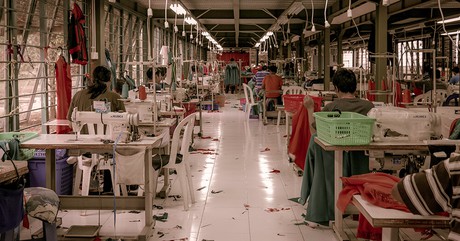
Unlike what fast fashion wants you to believe, sustainability can’t be reduced to “using an eco-friendly material”. We need clothing production that’s both environmentally friendly and socially responsible.
But what can this look like in practice? What are some intersectionality in fashion examples?
Personally, I think all clothing brands should strive towards:
- Making their entire supply chain as sustainable as possible (for example, not just changing one fabric, but designing clothes that are made to last and can be recycled, or looking at their energy use and avoiding toxic dyes and chemicals)
- Guaranteeing fair working conditions and living wages
- Being conscious of the impact their clothing production has on local, vulnerable, and marginalised communities
- Embracing diversity, representation, and intersectionality when marketing their clothes (but not just to “tick a box”)
What YOU can do as a consumer to encourage intersectional fashion

The biggest responsibility should always be on brands. But if you wish to get involved and make a difference as a consumer (sending a virtual high five):
- Educate yourself on greenwashing – Go beyond labels and marketing terms: a ‘green cotton t-shirt’ isn’t automatically as ethical as fast fashion brands claim! How was it made? And by whom?
- Be realistic: it’s impossible for any brand to do everything perfectly – Lots of small ethical brands are trying really hard, but it’s already challenging for them to stay in business. For example, some small companies produce their clothes ethically and pay fair wages but can only offer a small size selection due to their limited budget. Some others really take care of their workers but are criticised for not being vegan. Still, I believe there’s a big difference between a conscious brand trying its best to be both eco-friendly and socially responsible… and a fast fashion company chucking ‘bio’ or ‘green’ on a label while relying on sweatshops!
- Vote with your wallet, and look for (and demand) transparency – Choose brands that align with your ethos and that back up their sustainability claims (and question those that don’t). And don’t worry: this doesn’t have to be time-consuming. You can find hundreds of fairtrade brands on Project Cece with filters and labels to narrow down your choices, discovering exactly what makes them ethical
Overall, we need intersectional environmentalism that protects both the planet and humans. We can no longer afford to focus on just one or the other (and we never should have).
So, let’s keep pushing for intersectionality in fashion, instead of pretending that an organic cotton t-shirt with a feminist slogan made in sweatshops is a good compromise.
_large.png)
Share our story
Related articles
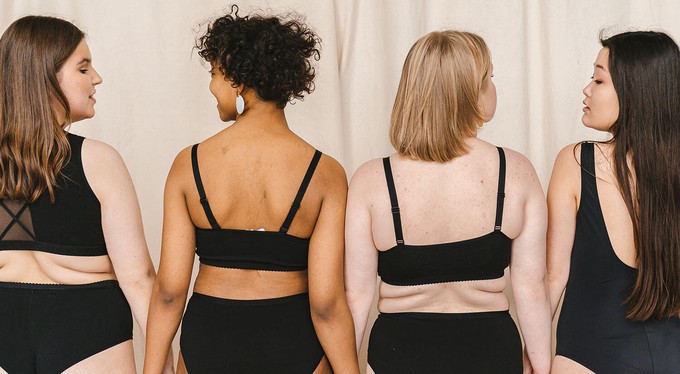
Diversity in Fashion: Are Ethical Brands Doing Enough?
Things are getting better, but diversity in fashion is still a work in progress. Here’s how we can all make a difference in the ethical clothing industry.
No-Jargon Difference Between Ethical & Sustainable Fashion
It can be hard to “decipher” this industry with so many buzzwords! So, here’s the actual difference between ethical and sustainable fashion.
Fashion Greenwashing: Don’t Let Unethical Brands Trick You!
Looking for a greenwashing definition? It’s an immoral PR stunt to deceive clueless eco-conscious consumers. Don’t let companies get away with it!
Project Cece is a platform that collects ethical fashion from vetted brands and shops in one place. Browse ethical fashion for women and men and find items that fit your style, budget and values!


