
- Clothes
- Bags
- Accessories
-
Inspiration
- Shoes


The Stigma of Hemp: Why This Green Fabric Isn’t More Common

Hemp is one of the most sustainable fabrics you can add to your wardrobe.
And yet, if you’ve been working towards more ethical outfits, I bet you’ve already realised this: hemp is nowhere near as common as more widely used—and yet less sustainable—fabrics like cotton and polyester.
Why? The stigma around cannabis actually played a big part in this… and it still does.
Growing up in Amsterdam, my sister Marcella and I—both co-founders of Project Cece—didn’t see cannabis as a particularly big deal. However, as we got older, we learned about the two-faced policy we have here: you’re allowed to sell it in coffeeshops, but there are big restrictions for industrial production.
So, I’ll show you why the stigma around hemp and cannabis is making it harder for ethical companies to embrace this eco-friendly fabric (spoiler alert: we even know a founder who got arrested for it!), and I’ll also share some sustainable hemp brands you can choose to support.
What is hemp, exactly, and why is it one of the most sustainable fabrics?
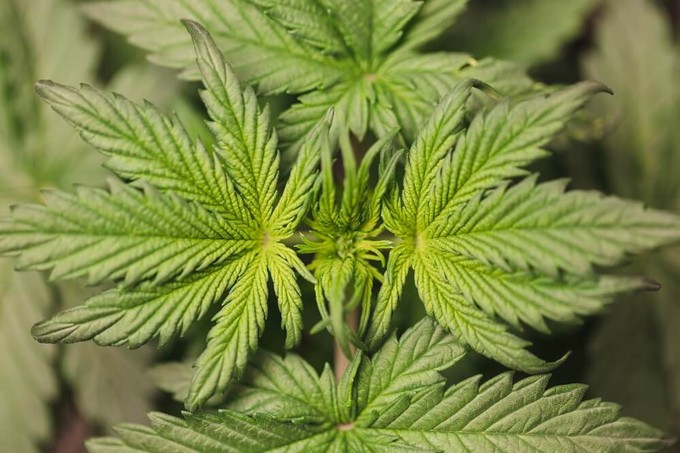
Hemp is a natural fabric made with the fibres of Cannabis sativa stalks. So, yes: the same plant as marijuana, but to be classified as hemp, it must have 0.3% or less THC content by dry weight.
Hemp is also one of the most sustainable fabrics:
- It uses a lot less water than cotton (even though hemp requires a bit of additional water during its retting stage, 1kg of cotton fabric needs 20,000 litres, whereas only 300-500 are required for one of hemp)
- It doesn’t require herbicides or pesticides because it’s a naturally resistant and hardy plant
- It grows fast and doesn’t require a lot of land, especially compared to cotton
- It’s kind to the soil where it’s grown, as it returns a large portion of nutrients
- It’s naturally biodegradable
- It’s durable, perfect to reduce waste
You’d think hemp would be a more popular fabric, right? Something you should be able to find when browsing garments in clothing stores?
And yet, because it comes from the same plant as marijuana, the stigma around hemp has been making things harder in the fashion industry.
The stigmatisation of hemp, in a nutshell
Indigenous to Eastern Asia, hemp has been cultivated for millennia. Thanks to its strong properties and variety of uses (from clothes to ropes and sails), it then became more widespread even in Europe and America, especially during the age of sail.
Hemp was a valued crop at the start of the 20th century, but as well as taking a hit during the wars, that’s when the stigma began: marijuana—and therefore cannabis plants—started being criminalised across the world (for example, with the 1970 Controlled Substances Act in the US), and hemp was put together with it .
So, that’s why I’d be extremely surprised if, when thrifting vintage clothes, you were to find a hemp garment from the 70s or 80s!
Then, during the 21st century, more countries started decriminalising it, and together with the discovery of its eco-friendly properties and new processes to soften it, hemp fabric experienced a promising resurgence.
But the damage was already done.
Why the stigmatisation of hemp is still making it harder for brands to embrace it
- Nowadays, industrial hemp cultivation is still banned in several countries, and even where it’s allowed (like the US, Canada, China, and most of the European Union), it’s heavily regulated. Growers need specific licenses and must adhere to strict rules, especially when it comes to THC thresholds. So, this means it’s a challenge to scale it and optimise costs
- Because industrial cannabis cultivation was banned for decades, the necessary modern machinery to produce and treat hemp fabric isn’t as widespread
- The regulations around cannabis and hemp production are complex, vary by country or region, and can sometimes be changed. This creates uncertainty and risk for farmers and manufacturers, discouraging investments in relevant infrastructure. For example, the CEO of 8000Kicks was arrested during their Berlin pop-up, and their hemp plants seized: “It was a pretty scary moment when the police suddenly appeared at our door. We knew it could happen, but it happening is a whole new game,” Bernardo shared with me. “Also, they were dressed pretty heavily, like intervention police. In the end all went well, because we were confident we were not doing anything wrong. It was just pure activism."
- For all these reasons, producing hemp is a lot more expensive than more common fabrics like cotton or polyester. So, it’s harder for brands to make a good profit… and small ethical brands are already struggling as it is!
Hemp still has a stigma, and I’m wondering: aren’t we policing the wrong fabric?
I can’t help finding it ironic that hemp is still stigmatised despite being one of the most sustainable fabrics… whereas the worst ones for the planet are widely available!
For example, lots of fast fashion brands are relying on:
- Cotton that’s loaded with pesticides and bad chemicals and that has a terrible environmental footprint
- Polyester, which is derived from fossil fuels, has high carbon emissions, and takes centuries to decompose.
So, I believe we should make it easier for fashion companies and designers to choose hemp. In the meantime, here are some of the best hemp brands for your wardrobe.
Fighting the stigma, and finding sustainable hemp brands
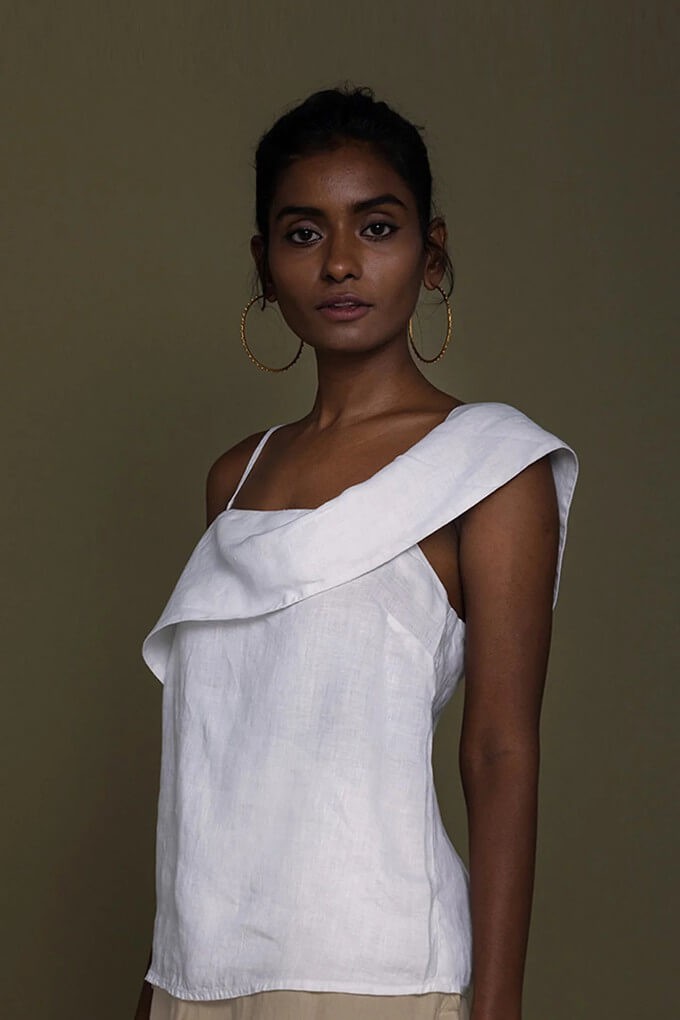
- Reistor has a large and varied hemp collection, and they also support the environment and local populations however they can
- 8000Kicks is ideal for hemp shoes and accessories (bonus points because their CEO got arrested for standing up for what they believe in!)
- Jyoti Fair Works prioritises organic cotton but has plenty of hemp garments, too
- Thinking Mu uses various eco-friendly materials including hemp
And since on Project Cece we bring hundreds of fairtrade brands in one place, with filters to simplify your choices, you can easily find the right hemp garments for your style.
The stigma around hemp and cannabis is making it harder for brands to embrace this green fabric, but we can support them and help them grow (pun intended).
_large.png)
Share our story
Related articles
Cotton vs Hemp: What’s More Sustainable? (& A Crazy Story)
What’s more sustainable: hemp or cotton? Let’s look into it in a simple, jargon-free way
Best Hemp Clothing Brands to Grow a Greener Wardrobe
Durable, versatile, and much more sustainable than cotton or polyester: what a game-changing fabric! Discover the right hemp clothing brands for your style.

What Is Hemp Fabric? Properties & Sustainability
Did you know that hemp fabric requires 50% less water than cotton and lasts 3 times longer? Discover the sustainable properties of this game-changing material.
Project Cece is a platform that collects ethical fashion from vetted brands and shops in one place. Browse ethical fashion for women and men and find items that fit your style, budget and values!


