
- Clothes
- Bags
- Accessories
-
Inspiration
- Shoes


What Is Regenerative Fashion & Can It Solve the Clothing Crisis?

If you’ve been trying to make more ethical clothing choices, a fancy term like regenerative fashion might feel confusing or even intimidating.
So, let me start with a clear analogy: imagine you’re hosting two different parties.
During the first one, lots of people show up, and maybe you have fun in the moment, but they trash your house and steal some of your belongings when they leave.
During the second one, you have fewer guests but everyone brings something and helps you clean up afterwards.
One is traditional (and especially fast) fashion, the other is regenerative fashion.
Now that you have an initial idea, let’s look into it properly.
The problems with non-regenerative fashion (so, most clothing)
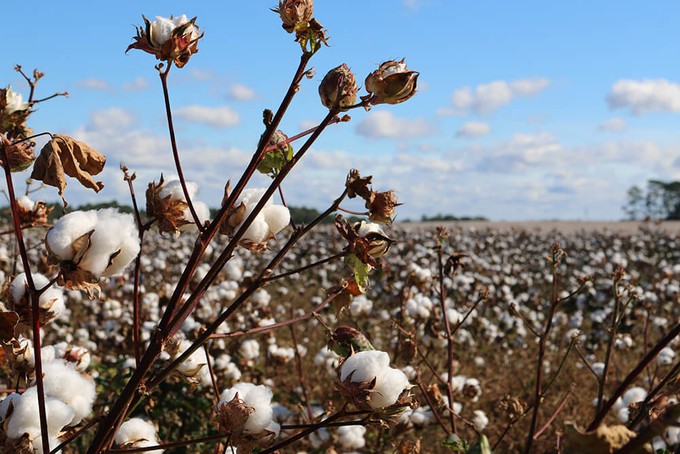
Most fashion can be considered extractive and operates using a linear model.
That means it treats natural resources (and also labour and energy) as if they were infinite, without worrying about what happens to them or the environment afterwards.
That’s why, while most synthetic options like polyester are also terrible for the planet, natural fabrics aren’t automatically more sustainable, especially cotton.
To give you an idea of some of the problems of non-regenerative fashion:
- Soil degradation
- Deforestation
- Biodiversity loss and habitat destruction
- Excessive water consumption, like 2,700 litres for a single cotton t-shirt
- Water pollution (for example, from dyes, pesticides, and other chemicals)
- High greenhouse gas emissions
- Exploitative labour practices to meet unsustainable demand and keep price tags ridiculously low
Many of these also contribute to climate change.
So, what’s an alternative to this extractive approach? A regenerative one.
What is regenerative fashion (in plain English)?
Regenerative fashion consists of clothes and accessories created with natural fibres that came from regenerative agriculture or farming. And what is regenerative agriculture, you ask?
It’s about growing raw materials in alignment with the land and natural systems, in a way that actually restores the environment.
It might sound like a fancy modern term but it’s nothing new.
While it was first used in the 80s by the Rodale Institute, regenerative agriculture started hundreds, if not thousands, of years ago thanks to indigenous people.
But recently, we’ve been talking about it more because… fast fashion has completely disregarded it for decades, and now we’re paying the expensive price behind those cheap garments.

Benefits of regenerative agriculture and fashion
There is no unified framework or requirements, at this stage. But overall, regenerative agriculture (and therefore, regenerative fashion) tends to lead to:
- Keeping or making the soil more fertile
- Rebuilding ecosystems and promoting biodiversity
- Reducing water consumption, avoiding water pollution, and saving drinking water
- Becoming carbon positive
- Planting trees and helping forests regrow
- Supporting local communities
Regenerative fashion examples
- Organic cotton cultivated using regenerative practices like crop rotation and no-till farming as well as avoiding pesticides
- Wool from farms that use rotational grazing
- Traceable farm-to-closet brands, showing you exactly from what regenerative farms your items came from and how they were made
Some of my favourite sustainable brands that, at the time of writing this article, are offering a selection of regenerative clothes are:
- Neem London, a B-corp certified store prioritising garments that give confidence to women in their daily life
- Baukjen, a sophisticated lifestyle brand for men
… or browse more regenerative clothing.
What is the difference between sustainable fashion and regenerative fashion?
Sustainable fashion is more about reducing our negative impact on the environment (for example, by aiming for lower carbon emissions), whereas regenerative fashion makes it a positive one (like removing carbon from the atmosphere).
However, keep in mind that:
- Sustainable fashion and regenerative fashion aren’t mutually exclusive (for example, while sustainable fashion isn’t automatically regenerative, the latter still falls underneath the ‘sustainability’ umbrella)
- Regenerative fashion can be considered even better than most sustainable fashion, but realistically, it’s still hard for brands to achieve it (for example, due to higher costs and underdeveloped infrastructures), and small ethical brands are already struggling to stay in business! So, while it’s great to look for regenerative fashion (and I believe that’s exactly where the overall industry should invest in), consider supporting brands that are trying their best to reduce their environmental impact in other ways too

Finding regenerative fashion brands and clothing
- Beware of greenwashing – Unfortunately, many (fast) fashion brands are using deceptive marketing to trick you into believing they’re more sustainable than they actually are. So, if they use vague and unquantifiable terms (like ‘green’) or their prices are too low (there’s no way a €5 t-shirt can come from regenerative farms!), don’t fall for it. Instead…
- Look for transparency – Are brands telling you how their clothes were made and what makes them “regenerative fashion”? Third-party certifications are a bonus (although not many brands can afford to get certified, especially tiny ones)
- Start here on Project Cece – We brought hundreds of fair trade brands in one place, with filters to simplify your choice. Unfortunately, regenerative fashion is still rare, but we already have some partners offering selected items or ranges, and we’re always looking to grow it
Shop regenerative fashion (mindfully)
Overall, fast fashion and the conventional farming model are unsustainable. Slow and ethical fashion brands have been trying to reduce that negative impact for decades.
Regenerative fashion might be rarer (for now?) but it certainly takes it one step further.
_large.png)
Share our story
Related articles

Fight Climate Change with Your Clothes: 6 Rebellious Choices
These shifts won’t “just” help you fight climate change with your wardrobe: they’ll make an impact in other ways too, one (repeat) outfit at a time.

What New Sustainable Fabrics & Materials Are Designers Using?
Recycled plastic, coconuts, and even… milk! Here are some of the most innovative new sustainable fabrics to reduce the environmental impact of clothes.
Fast vs Slow Fashion Differences: Finding a Sustainable Pace
So, what’s the fast fashion vs slow fashion debate? Here’s why we recommend ditching the former and embracing a more sustainable alternative.
Project Cece is a platform that collects ethical fashion from vetted brands and shops in one place. Browse ethical fashion for women and men and find items that fit your style, budget and values!


