
- Clothes
- Bags
- Accessories
-
Inspiration
- Shoes


9 Indian Clothing Trends & Traditions Behind Western Wardrobes

The chances are, some of the modern clothes in your wardrobe include patterns or silhouettes that originated in India hundreds or even thousands of years ago (how special is that?!).
I had a chat about this with the rest of the team around Diwali: once we looked into it properly, we realised just how many western garments and designs were actually influenced by Indian fashion.
So, to honour it and share it with more people, I thought I’d bring my favourite Indian clothing trends and staples together here. I bet there’s gonna be quite a few surprises!
Indian clothing trends: a quiet influence on Western fashion
India has a strong and unique textile heritage. Throughout history, it’s travelled far and wide, influencing western and global fashion.
However, Indian fashion doesn’t always get the credit it deserves.
For example, at Milan Fashion Week in 2025, Prada showcased sandals that were extremely similar to traditional Indian Kolhapuri chappals, but without crediting their origins (they did, however, acknowledge that inspiration and opened dialogue for collaboration, when confronted).
So, you’ll be forgiven for not knowing that some of the patterns and designs you’ve been wearing for years—and that, perhaps, you associate with hippies, festivals, or something else entirely—actually came from India and its traditions. I most certainly didn’t, up until a few months ago!
9 Indian clothing trends and traditions that shaped western and global fashion
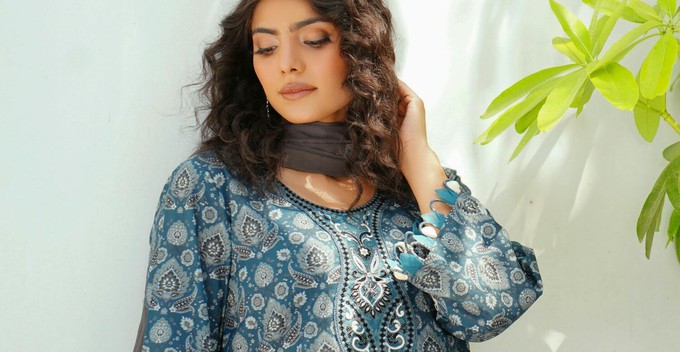
1. Paisley prints
Nowadays, you can find this iconic teardrop-shaped motif on scarves, dresses, bandanas, men’s shirts, and more, and it was even more popular in the 60s.
However, it didn’t become a fashion staple in Europe until the 18th-19th century, when Kashmiri shawls with buta motifs started being exported abroad.
2. Tie-dye
Personally, I used to associate tie-dye with 60s hippies or with its resurgence in the 90s/2000s, especially at festivals.
In reality, it started much, much earlier than that. And while separate methods and styles originated across the globe at different times, the Indian Bandhani technique is the oldest one, traced all the way back to 4,000 B.C. (and if the word “Bandhani” reminds you of something else too… keep in mind for later).
3. Cummerbund
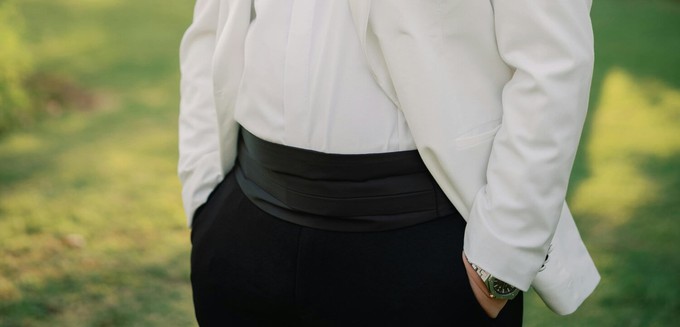
You know the broad waist sash worn by men as a decorative piece under dinner jackets or as a cooler alternative to waistcoats?
The name is actually an anglicised form of kamarband (kamar = waist, band = to close / fasten), which was originally worn by Indian soldiers and civilians and then exported by British military officers in colonial India.
4. Jodhpurs
This is probably one of the most iconic Indian silhouettes: trousers with flared hips and thighs, tighter around the ankles—perfect for riding.
And that’s how modern riding trousers started out: they were adapted from a traditional style that originated in the city of Jodhpur in Northern India.
5. Chintz
This brightly coloured, patterned cotton fabric (especially with floral motifs) started taking over Europe in the 17th century, not just for clothing but upholstery and curtains, too.
However, it originated in Golconda (present-day Hyderabad) a whole century earlier.
Chintz has now experienced a resurgence, even on the catwalk and especially for brands embracing a more maximalist approach.
6. Boho style
Fringes, floral patterns, and carefree vibes. Particularly popular in festival culture, the boho aesthetic actually derives from Romani fashion, and Romani people originated in the Indian region of present-day Rajasthan.
Unfortunately, though, I think ‘boho’ clothes are often cultural appropriation, because most brands mass-produce them instead of partnering with actual Romani designers and artisans.
7. Madras checks
This lightweight cotton fabric with patterned textures—especially tartan designs—became a staple of preppy fashion in 60s America.
But it was an Indian fashion staple first and foremost, named after the city of Madras (present-day Chennai).
8. Bandanas
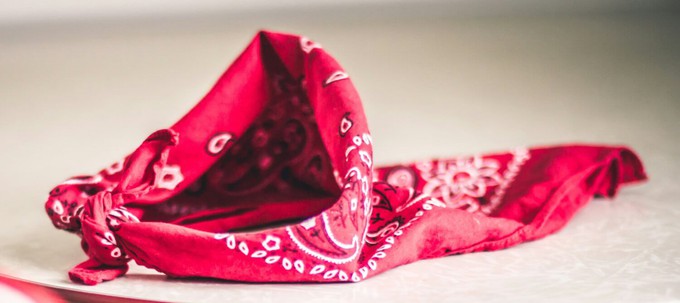
Remember when I said that tie-dye comes from the Indian practice of Bandhani? That’s how bandanas also came about!
They started out as bright-coloured silk or cotton handkerchiefs with intricate white dots on red and blue Bandhani.
9. Thinking beyond trends, sustainably
Finally, even though we’re talking about Indian clothing trends, let’s not forget that, in a way, Indian fashion was always the opposite of that.
Long before circular, slow, and mindful fashion became trendy (pun intended), traditional Indian clothing and traditions were already all about that approach.
Ironically, nowadays, this country is full of fast fashion sweatshops, where throwaway clothes are overproduced by workers trapped in modern slavery conditions and using the worst fabrics for the environment.
Luckily, though, it’s home to plenty of ethical brands, too: some are indigenous, and some others are based elsewhere but partner with fair trade garment factories in India.
Supporting ethical Indian clothing brands
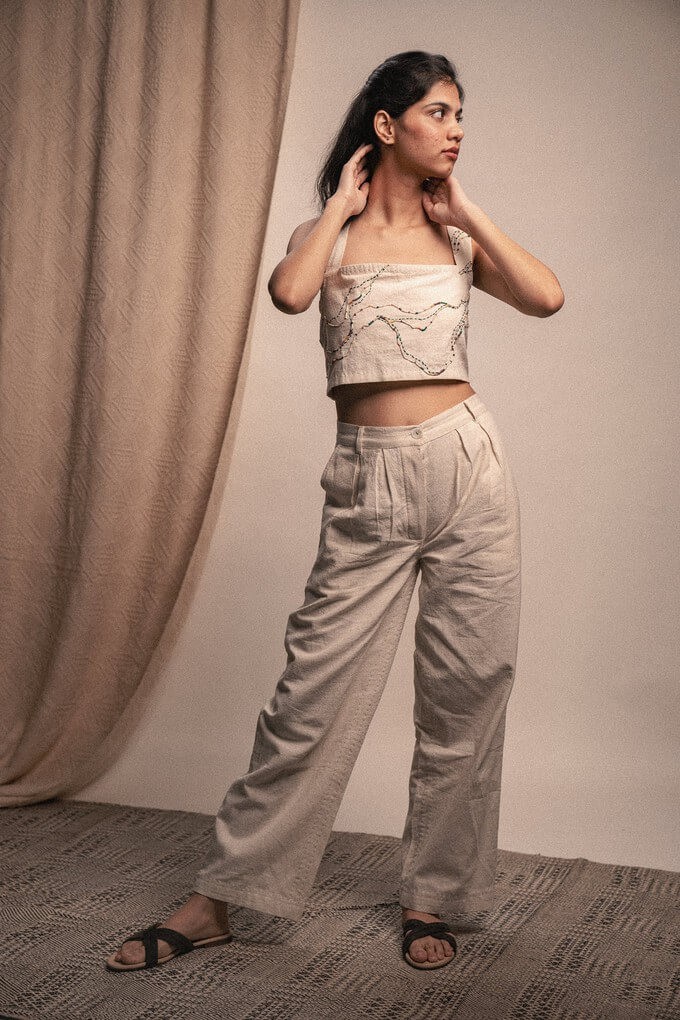
Now you know that, when you wrap a paisley scarf around your neck or put on a madras check skirt, you’re actually honouring timeless Indian clothing trends and traditions.
And if you want to take it one step further, consider supporting ethical Indian brands that are keeping them alive and producing their clothes responsibly.
Some of my current favourites are:
- Reistor, offering a large range of hemp clothes
- Lafaani, a circular brand relying on natural fabrics and working with local artisans
- Doodlage, mostly using recycled materials handwoven by artisans
And since on Project Cece we brought hundreds of fairtrade ones in one place, you can find more Indian clothing brands, too.
_large.png)
Share our story
Related articles
9 Indigenous Clothing Brands Keeping Traditions Alive
Forget about temporary trends! Support indigenous fashion brands, and fall in love with sustainable, timeless clothing that honours the past and that you can wear for years to come
Native American Fashion: Naturally Slow, Stolen by Fast Fashion
Native American clothing has a lot in common with slow, eco-friendly fashion. Sadly, those brands are being crushed by fast fashion giants. Here's why take

Are Clothes Made in Bangladesh Ethical? (Don’t Boycott Them!)
Unfortunately, even years after the Rana Plaza disaster, sweatshops are still common in Bangladesh. Here’s why it’s not all black and white, though.
Project Cece is a platform that collects ethical fashion from vetted brands and shops in one place. Browse ethical fashion for women and men and find items that fit your style, budget and values!


