
- Clothes
- Bags
- Accessories
-
Inspiration
- Shoes


Leather vs Vegan Leather: What’s ACTUALLY More Sustainable?

Are you trying to make more sustainable choices with your wardrobe, including genuine leather or vegan leather items? First of all, high five.
And if you’re now wondering “Is vegan leather better than real leather?”, the bad news is that, with ethical fashion, things are rarely black and white. So, the real leather vs vegan leather debate isn’t as simple as “leather = bad, vegan leather = good”.
But fret not: I wrote an objective, jargon-free comparison to help you make the right informed decision for you.
Real leather and sustainability

Leather comes from the tanning of animal skins and hides, mostly cattle (especially cow leather) but also sheep, goats, and even aquatic animals like alligators.
Eco-friendly pros of real leather
- Most leather is a by-product of the meat industry. So, it also reduces waste: if the leftover hides were sent to landfills, this would generate higher carbon emissions
- Real leather is naturally biodegradable
- Leather is more durable. When cared for, it can last you for decades (again, less waste and overconsumption, because you won’t need to replace those items as often)
Sustainability and ethical cons of real leather
- Real leather relies on livestock, which is:
- the world’s largest user of agricultural lands
- responsible for high greenhouse gas emissions (it’s hard to quantify them, but overall, the biggest meat and dairy companies alone are estimated to release more greenhouse gases than the entirety of Saudi Arabia, the world’s second largest oil-producing country)
- one of the main causes of deforestation, which leads to biodiversity loss and further contributes to climate change - Not all leather is a by-product of the meat industry! A by-product becomes a co-product when it increases something’s overall value (or in this case, that of the animal), and leather actively contributes to 10% of it. This reinforces the main ethical problem behind leather: animals have to die for it, whether more or less directly
- Leather tanning and dyeing are chemical-heavy processes, and this is bad:
- the environment (especially when these chemicals end up polluting precious water sources)
- workers
- in some cases, even consumers like us when we wear those items.
Vegetable tanning is a more sustainable option but, sadly, not as widely used
Vegan leather and sustainability
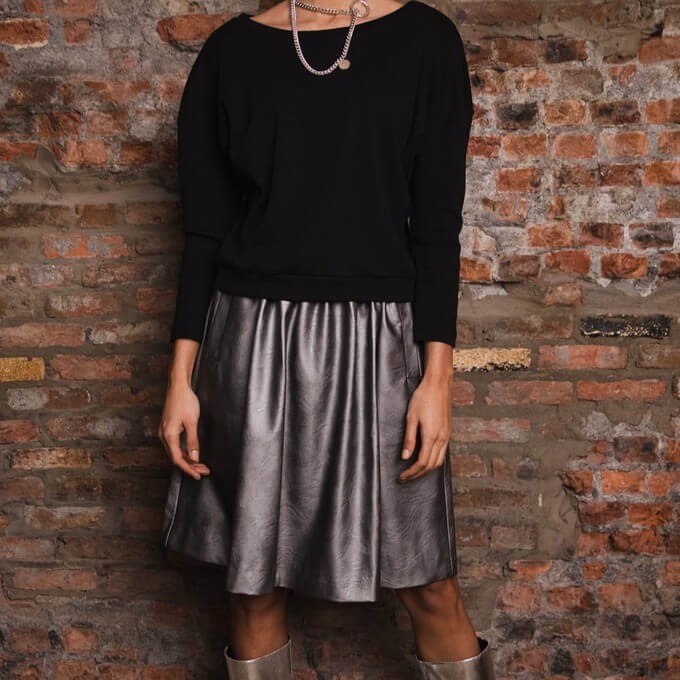
Also known as faux leather, vegan leather replaces animal hides with alternative materials.
Most vegan leather is made from polyvinyl chloride (PVC) or polyurethane (PU), which are basically plastic, and that's why it’s also called pleather (plastic leather).
There are more eco-friendly vegan leather options too, like fruit or plant leather (for example, piñatex, made from pineapple leaves, but also vegan leather made from apple peels, cork, mushrooms, or cacti). Sadly, at this stage, most of them still include a plastic coating that doesn’t make them fully biodegradable, and they’re nowhere near as popular and easy to find. In fact, Ananas Anam, the company behind piñatex, went bankrupt in August 2025.
But at the same time, plenty of brands and designers are focusing on plastic-free vegan leather. So, I hope it’ll become more mainstream soon!
Eco-friendly pros of vegan leather
- Cruelty-free, and no livestock involved. So, the main advantage of vegan leather vs real leather is that it doesn’t contribute to the excessive use of agricultural lands, deforestation, and animal deaths
- Lower carbon emissions. Once again, it’s hard to quantify this, and it also depends on what type of vegan leather we’re looking at and how it was produced. But to give you an idea, a square metre of real leather is equivalent to 17kg of CO2 or, if we include cattle farming, a whopping 110kg, as opposed to 15.8 for one of vegan leather
What are the downsides of vegan leather?
- Most vegan leather is basically plastic, and its production tends to be particularly chemical-heavy. PVC, in particular, is extremely polluting and releases hazardous dioxins. PU is the lesser of the two evils, but still derived from fossil fuels
- Plastic-based vegan leather is not biodegradable, and most fruit or plant leather is only partly so. Because it releases phthalates and toxic particles when decomposing, it pollutes the environment and, once it gets to water sources, can have a negative impact on the health of animals
- Vegan leather tends to be less durable than real leather. So, it leads to additional waste when you need to replace your items
Real leather vs vegan leather. So, is vegan leather better for the environment?
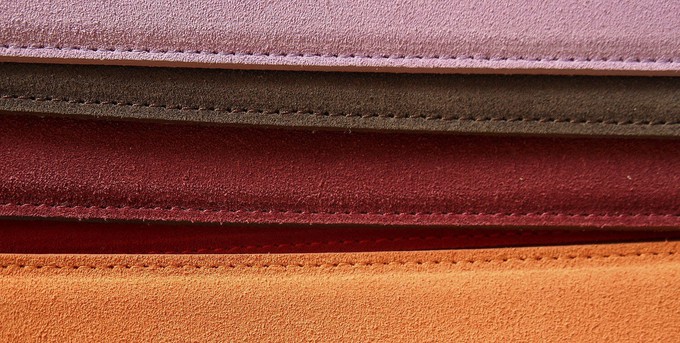
Vegan leather isn’t automatically better for the environment. My honest answer is… it depends!
For example, the environmental impact of purchasing one durable real leather piece tends to be lower than that of replacing faux leather products more frequently.
So, the answer to the leather vs vegan leather debate really depends on how that item was produced, how you use it, and what matters the most to you personally.
From an eco-friendly and environmental perspective:
- Consider choosing the most sustainable real leather that’ll last you for many years. Ideally, this will be an actual by-product and made with vegetable tanning rather than chemicals
- As for vegan leather, choose PU over PVC or, even better, more natural options or recycled vegan leather to reduce waste
From an ethical standpoint, however, it’s simpler, especially if you’re vegan or vegetarian: vegan leather is cruelty-free (but beware of cheap fast fashion options, because the chances are… animals didn’t suffer, but garment workers in sweatshops did).
Best sustainable leather and vegan leather brands
To help you find the right real leather or vegan leather pieces for your wardrobes and ethos, here are some of my current favourites.
Sustainable leather brands

- Alohas, mostly shoes, and their leather is certified by the Leather Working Group
- Souleway, bags made with vegetable-tanned leather
- Elvis & Kresse, an accessory brand using both leather waste and creative alternatives like recycled fire hoses
Vegan leather brands
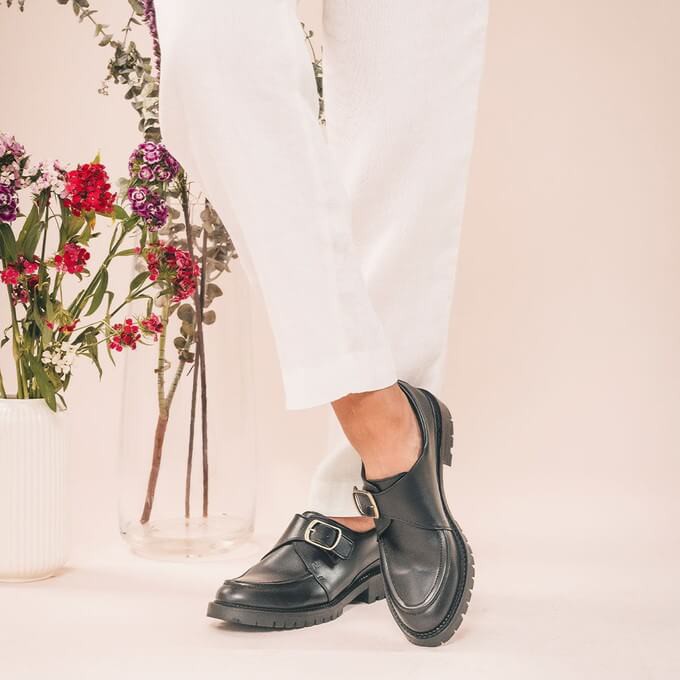
- NAE Vegan, a pioneer in vegan shoes, using substitutes like apple-, corn-, or pineapple leather
- Prev, accessories made with apple leather and innovative, lesser-known vegan leather alternatives (for example, olives or tea waste)
- Solari Milano, shoes made with recycled rubber and leather substitutes like corn
- Votch, watches made with AppleSkin and Piñatex leather
Find more sustainable leather or vegan leather clothes and accessories on Project Cece
These are just some real leather and vegan leather brands, but don’t worry: you won’t have to keep jumping from one small online store to the next.
On Project Cece, we brought hundreds of fairtrade brands in one place and added filters to simplify your choices (including labels like Vegan, or materials like Leather, Vegan leather, and 100% vegan materials).
So, it’s now a breeze to find the right real leather or vegan leather items for your style, budget, and priorities!
_large.png)
Share our story
Related articles

Is “Sustainable Leather” Even a Thing? (It’s Tricky)
It’s a tricky conversation, and not “just” because it’s not cruelty-free. Here’s the truth about sustainable leather (& tips to help you choose).

What’s the Most Eco-Friendly Vegan Leather? (And Which Ones to Avoid!)
Vegan leather is always better for the planet, right? Well, not really. So, here are the pros & cons of popular eco-friendly vegan leather alternatives.
Simple Guide to Vegan Fashion: There’s More to It Than Leather!
What else should you avoid? Are cruelty-free clothes always sustainable? And where can you find them? Our vegan fashion guide has all the answers!
Project Cece is a platform that collects ethical fashion from vetted brands and shops in one place. Browse ethical fashion for women and men and find items that fit your style, budget and values!


